
CM100-S3 AND CM100-S4
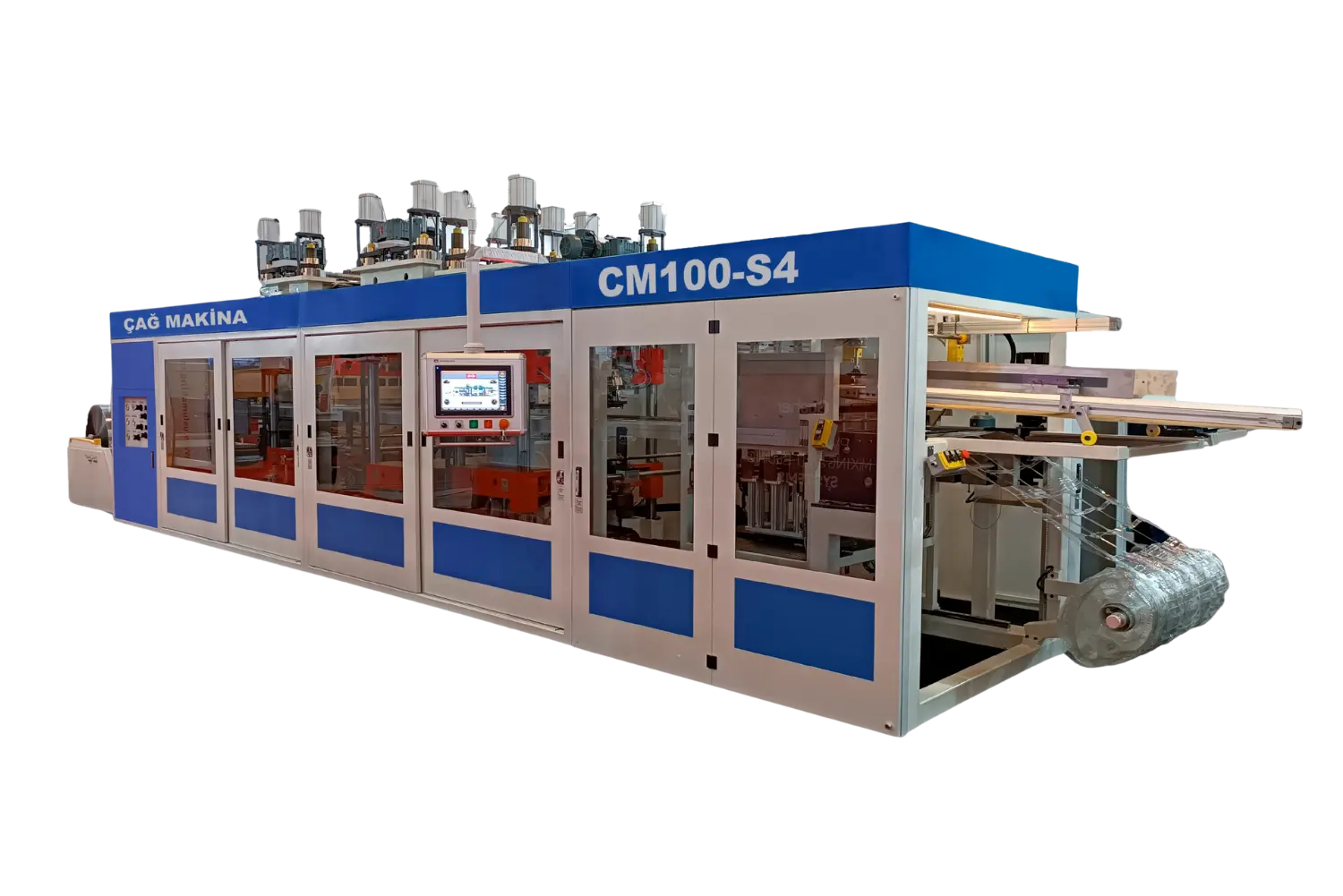
CM100 series thermoforming machines are manufactured in two different configurations, CM100-S4 and CM100-S3, to meet high-volume and large-surface production needs.
The CM100-S4 thermoforming machine is positioned with a maximum mold area of 1050 x 750 mm and a maximum forming area of 1000 x 700 mm. On the maximum capacity side, it operates at a level of 55 cycles; driven by a 7.5 kW (SEW) servo motor. It works with a sheet thickness of 0.20 – 1.5 mm and a sheet width of 1050 mm.
Our CM100-S3 model offers the same large mold and forming areas (1000×700 mm) while providing an optimized production experience with differences in energy consumption and structural weight.
| Cag Machine Specifications | CM100-S4 | CM100-S3 |
|---|---|---|
| Max. Mold Area | 1050x750 mm | |
| Max. Forming Area | 1000x700 mm | |
| Maximum Capacity | 55 Cycles | |
| Servo Motor | 7.5 kW (SEW) | |
| Max. Sheet Thickness | 0.20 mm - 1.5 mm | |
| Max. Sheet Width | 1050 mm | |
| Compatible Raw Materials | PP-PET-PS-OPS-PLA-CPET-PVC | |
| Total Heating Power | 197 kW | |
| Total Average Energy Consumption | 70-80 kW | |
| Total Installed Power | 250 kW | 235 kW |
| Control Screen | 15" Touch Screen - BEIJER | |
| Sheet Roll Lifting Capacity | Ø1200 mm / 1200 kg | |
| Machine Dimensions (L x W x H) | 13000 x 3500 x 2800 mm | 11000 x 3500 x 2800 mm |
| Total Weight | 15000 kg | 12000 kg |
| FORMING STATION | ||
| Top and Bottom Forming Height | 150 mm | |
| Forming Top Precision Adjustment | 100 mm | |
| Clamping Force | 700 kN | |
| PUNCHING STATION | ||
| Punching Station Stroke | 150 mm | |
| Clamping Force (Punching) | 800 kN | |
| Scrap Cleaning Motor | 1.5 kW | |
| CUTTING STATION | ||
| Cutting Station Stroke | 150 mm | |
| Clamping Force (Cutting) | 800 kN | |
| X-Y Blade Cutting Adjustment Motor | 0.24 kW | |
| STACKING STATION | ||
| Conveyor Stroke | 1100 x 1200 mm | |
| REQUIREMENTS | ||
| Required Chiller | 50,000 Kcal/h | |
| Required Compressor | 8 m3/min | |
| Vacuum | 200 m3/min | |
| Pressure | 6-8 bar | |
| *Technical values are presented in table format; they may vary according to options. | ||
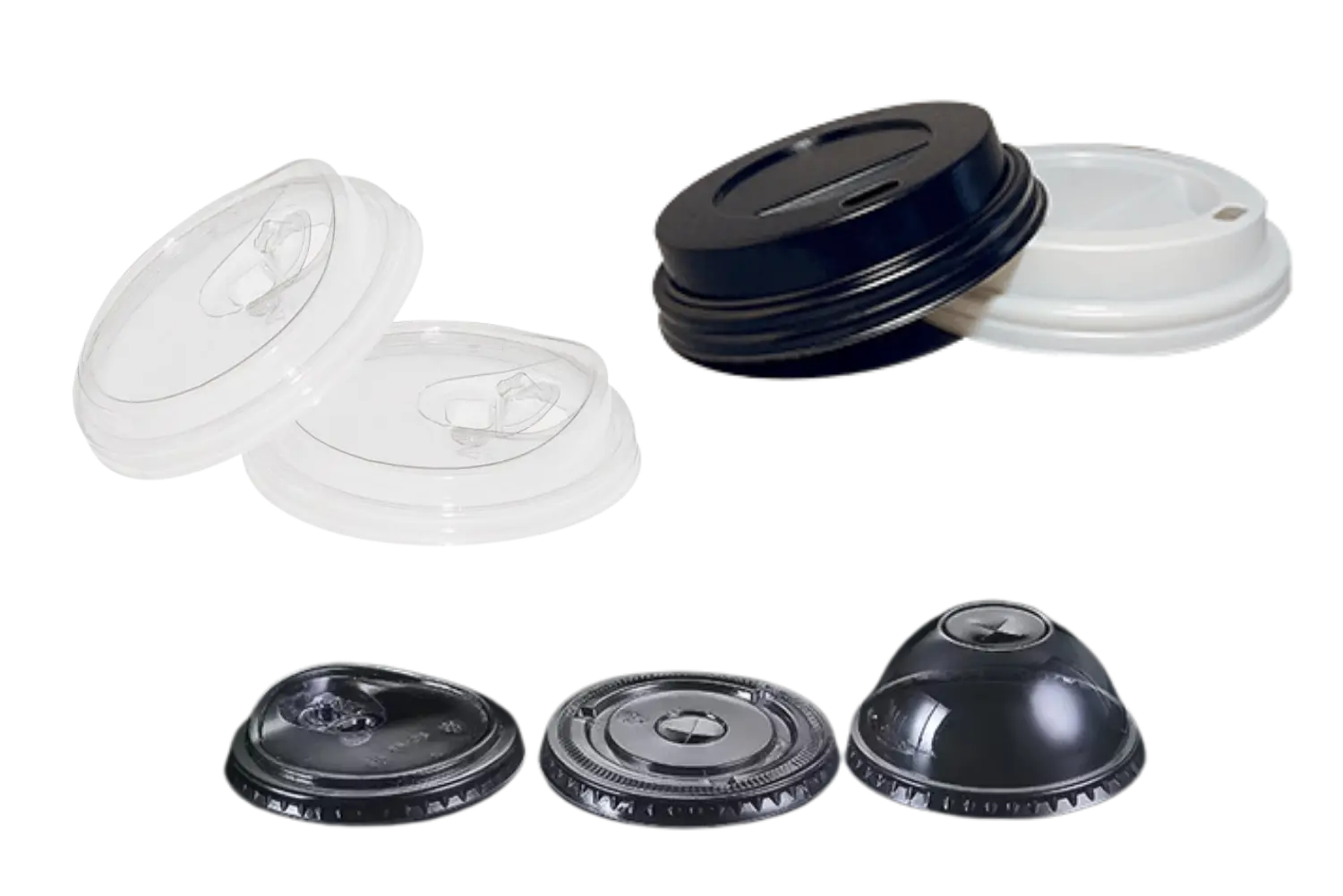
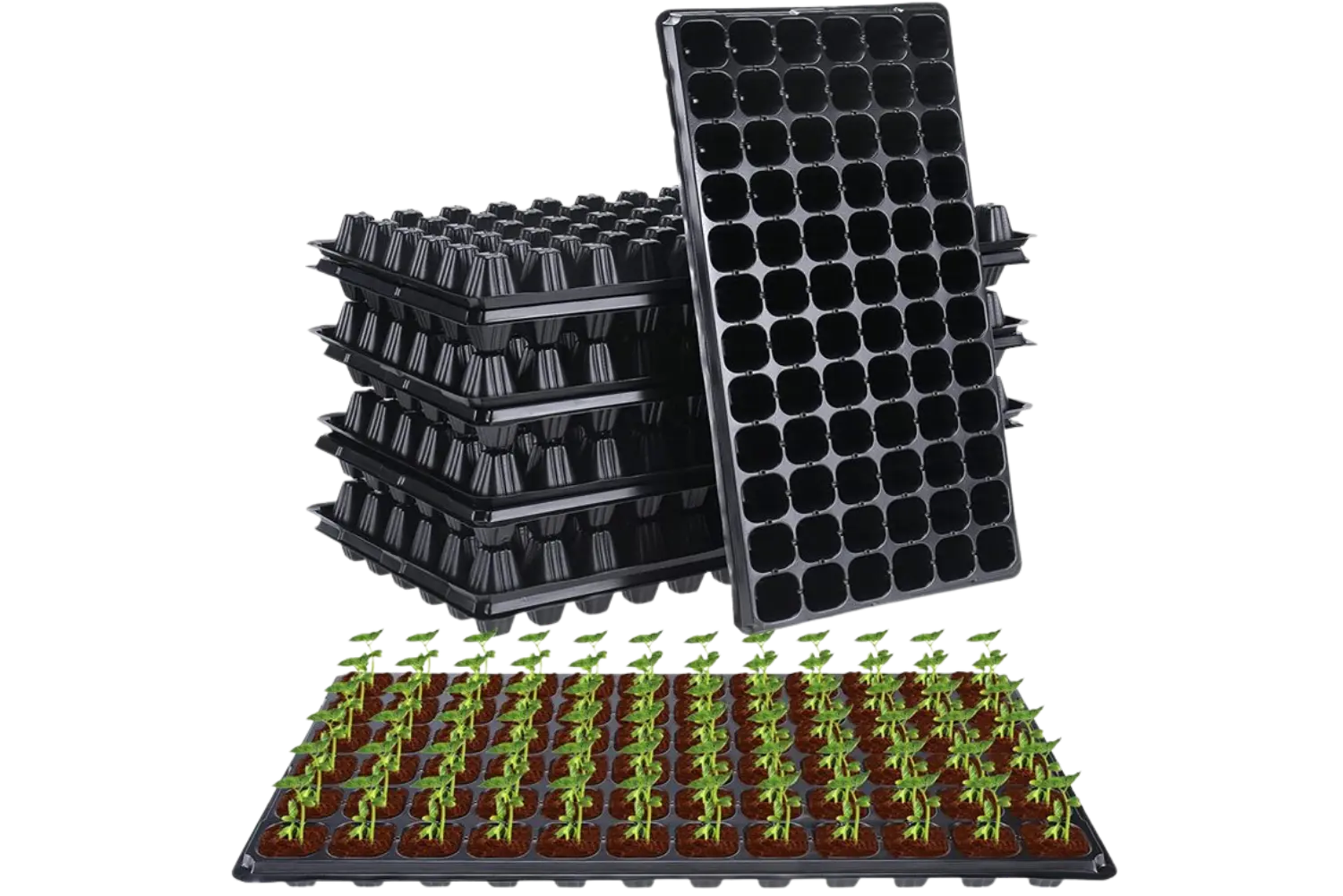
Why is Thermoforming Machine Compatibility According to Raw Materials Important?
Raw Material Compatibility
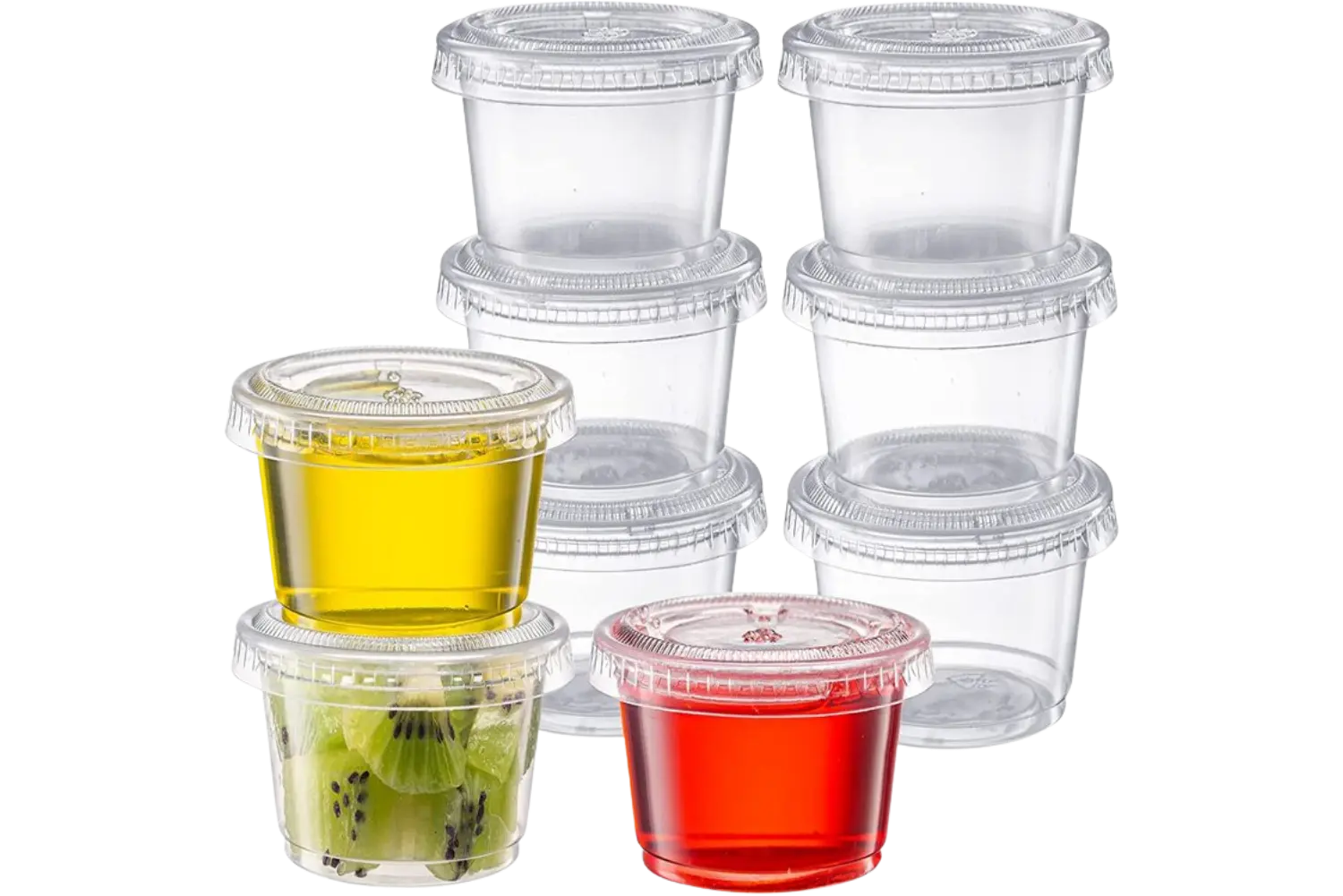
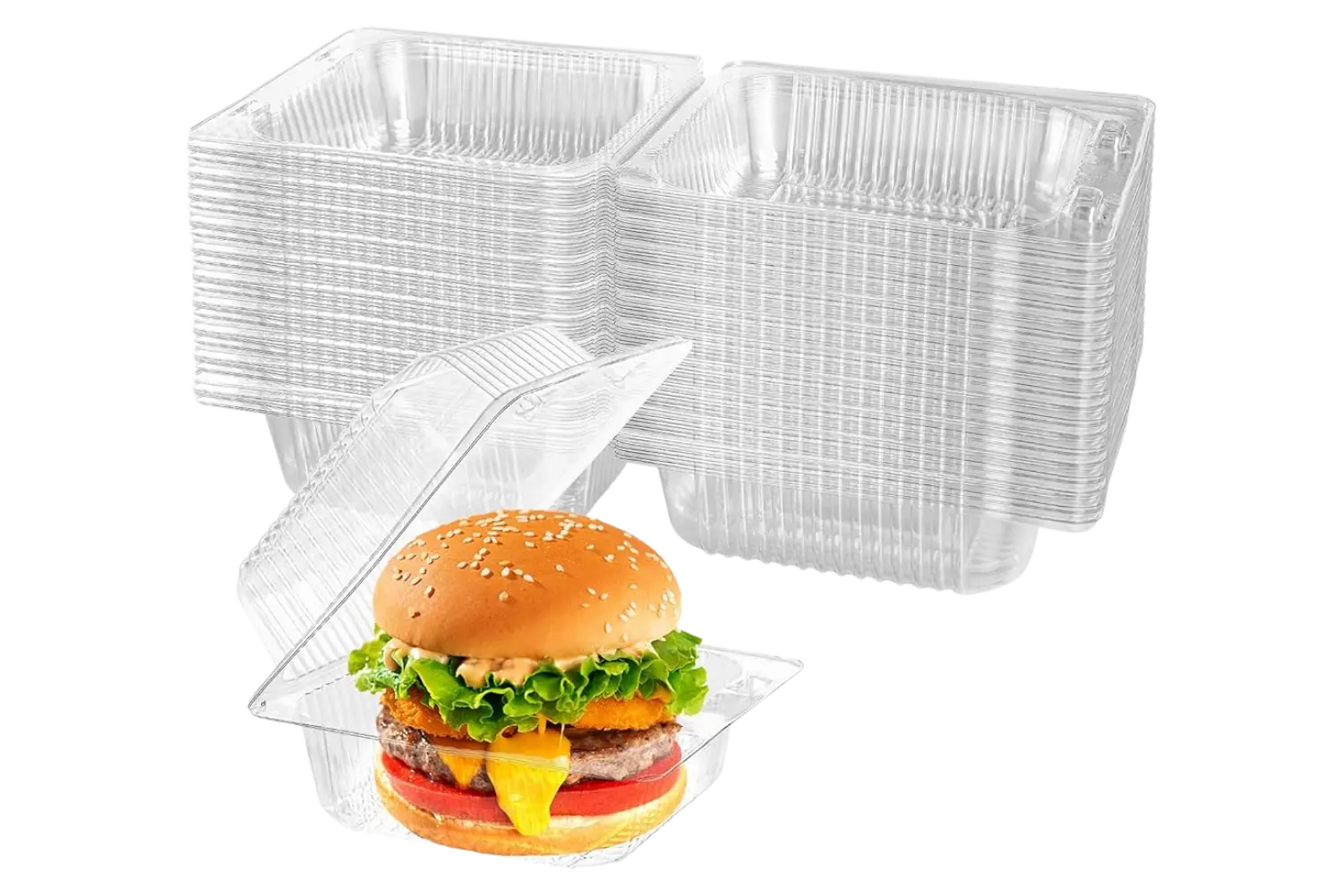
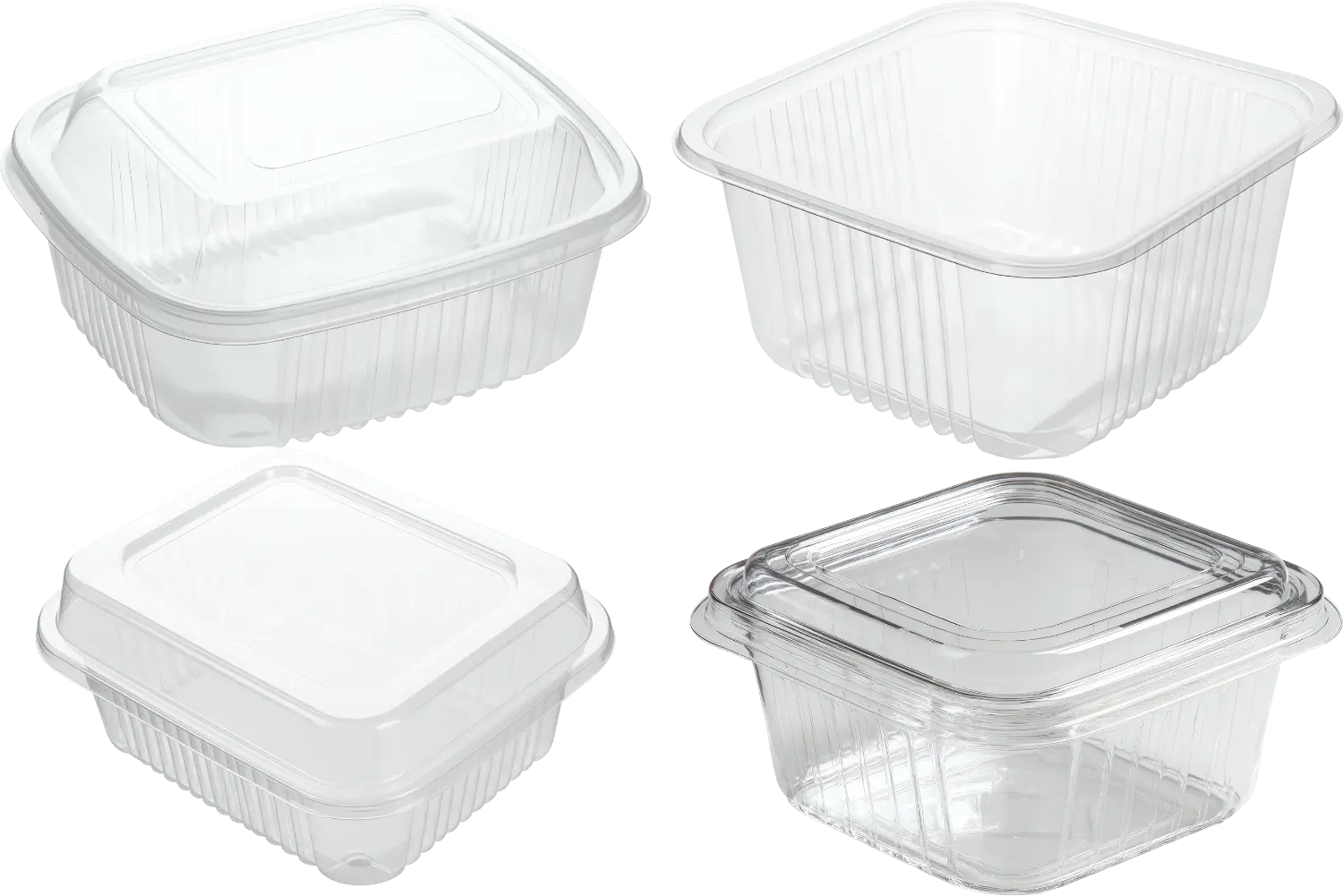
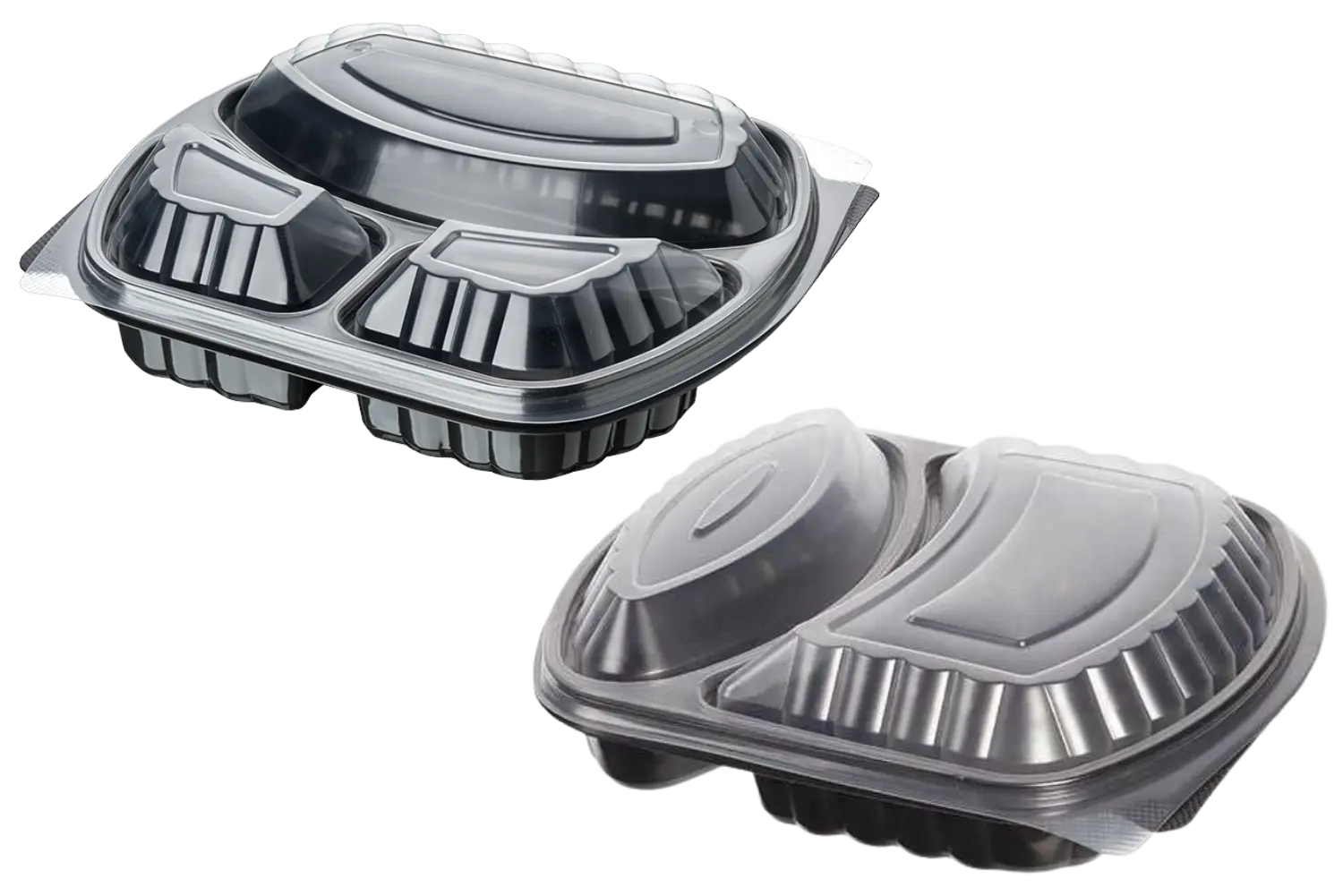
CM100-S4 thermoforming machine is engineered to adapt to production plans involving PET, PP, PS, and PVC plastic sheets.
For businesses aiming for sustainability, it offers a suitable framework for PLA bioplastic-oriented thermoforming applications; final compatibility is verified based on product geometry and process recipes.
Key Features
- ✓ 4-Station Thermoforming Line: Clear process separation for forming, punching, cutting, and stacking steps.
- ✓ High-Speed Cycle Efficiency: Optimized line flow for stable speed targets in mass production.
- ✓ Precision Servo Control System: Production consistent with repeatable movements and recipe discipline.
- ✓ Industry 4.0 Compatible Automation: Parameter traceability and process standardization.
- ✓ Integrated Stacking System: Organized end-of-line output with reduced operator intervention.
- ✓ Material Flexibility: Wide application framework for PET, PP, PS, PVC, and PLA scenarios.
Quick Summary: The CM100 Series combines speed, control, and energy efficiency in a single line for high-capacity packaging production, featuring a multi-station structure, a 55-cycle tempo, and a large mold area designed for low-waste operations.
CM100 Series Thermoforming Machine: High-Capacity Multi-Station Production Line
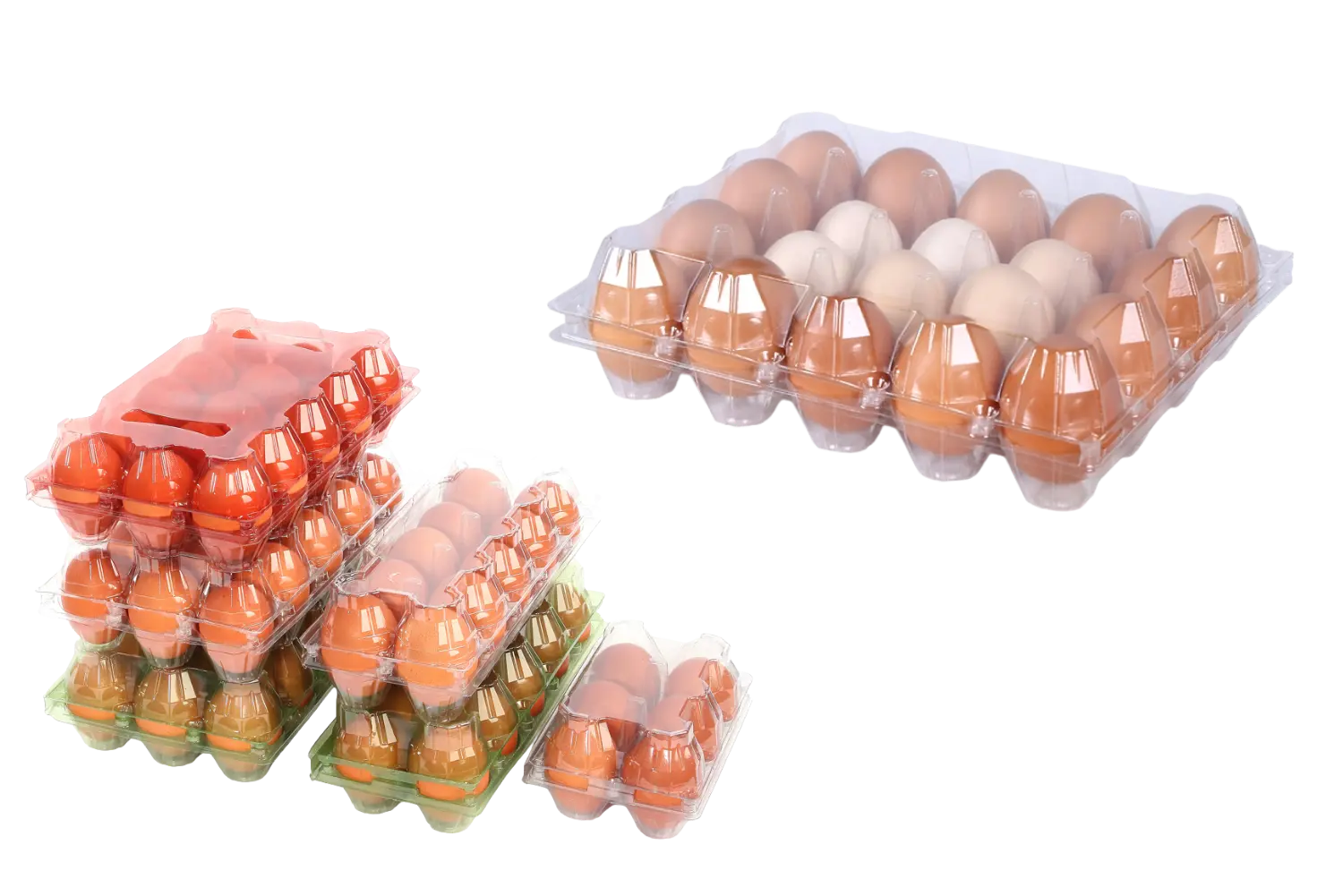
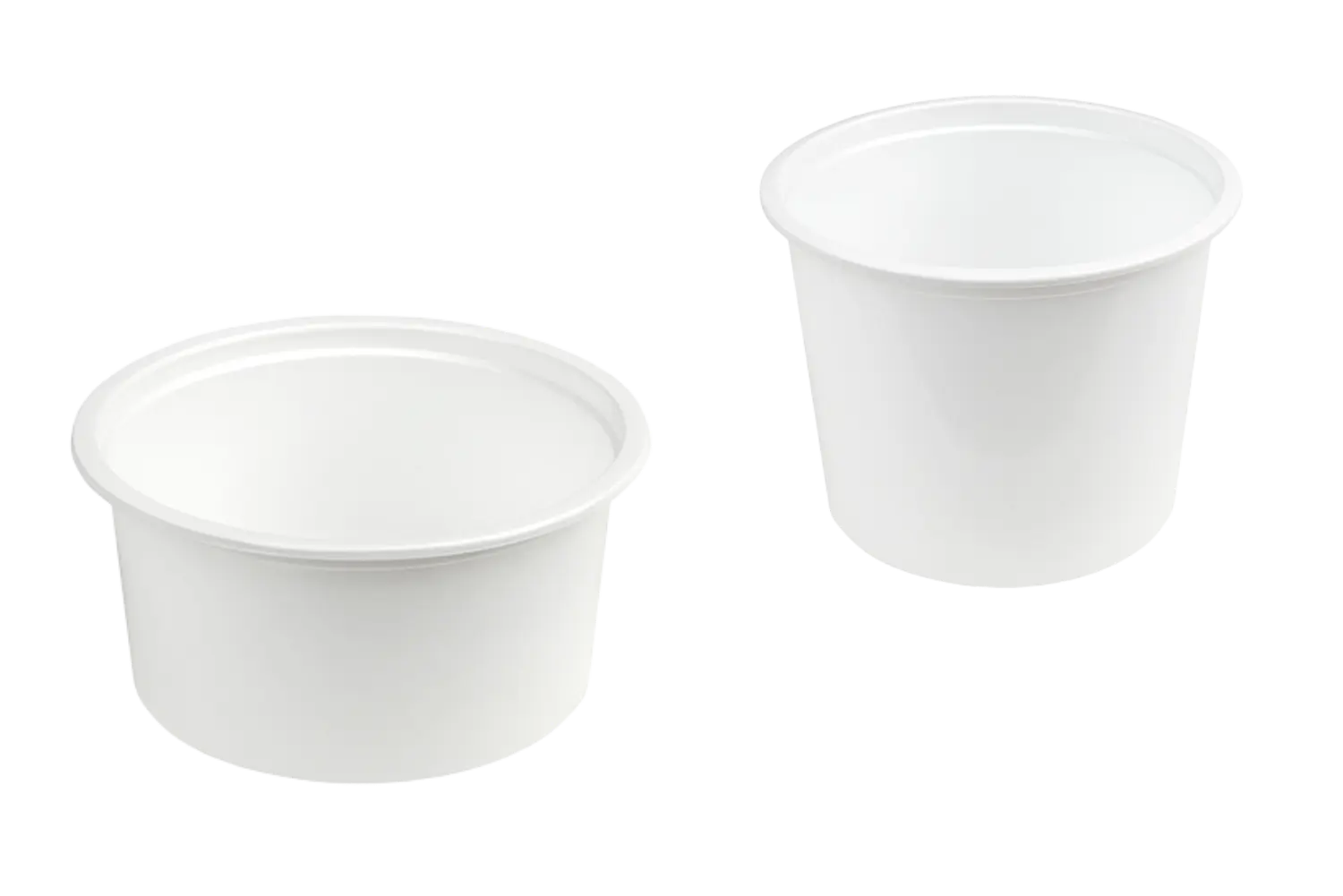
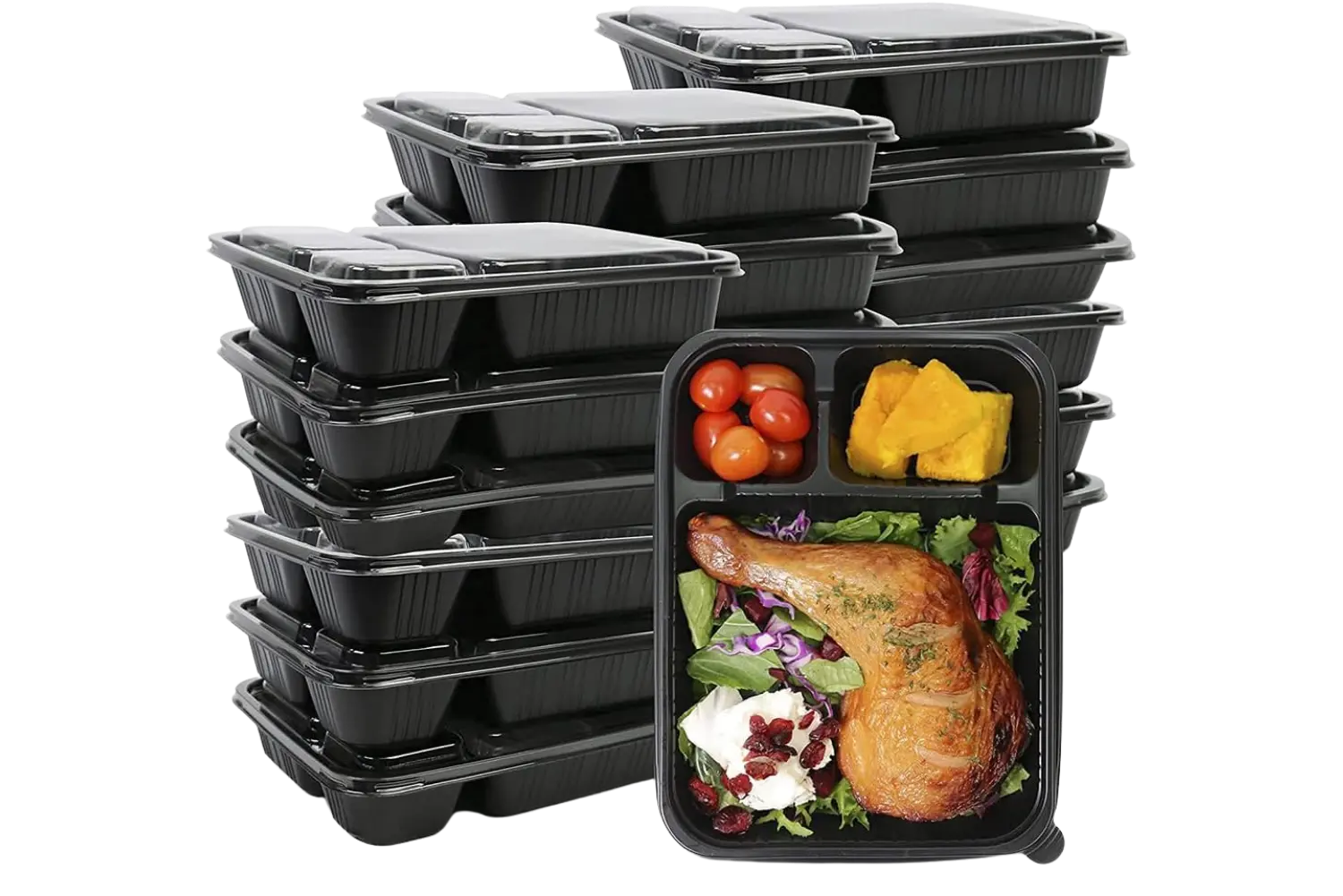
Sustainable profitability in industrial food packaging production depends on the harmony of speed and precision. The CM100 Series thermoforming machine, engineered by Cag Machine, is a multi-station thermoforming line solution designed to optimize plastic forming processes. Developed for food containers, lids, and disposable packaging, this series offers a robust structure for businesses looking to combine high production tempo with controlled quality.
Equipped with precision servo control technology, the CM100 integrates automatic forming, cutting, and stacking units into a single flow, reducing operator dependency and maintaining high production standards. It becomes a particularly significant investment for facilities managing large-volume orders where end-of-line organization and cycle times must be synchronized.
For facilities seeking High-Capacity Packaging Production, the real need is not just speed, but maintaining that speed throughout the entire shift.
- 55 Cycles High production tempo
- Multi-Station Flow Discipline in forming, cutting, and stacking steps
- Low Waste More controlled form and end-of-line order
For High-Volume Production Lines, the right machine must translate technical values into business results.
- Large Area 1000 x 700 mm mold area
- Servo Control Precision motion management with 7.5 kW SEW motors
- Industry 4.0 Strong infrastructure for traceability and recipe management
Read More
Why Choose CM100 Series Multi-Station Thermoforming Machines?
Why Choose CM100 Series Multi-Station Thermoforming Machines?
The most critical factor when choosing a thermoforming machine is the synchronization between stations. What sets the CM100 Series apart is its ability to manage punching and cutting steps in independent stations, extending mold life and standardizing product quality. This structure accelerates quality control processes, especially in facilities with high-volume production.
- Speed: Responds quickly to high-tonnage orders with a rate of 55 cycles per minute.
- Cost Management: Optimized heating zones keep electrical consumption under control.
- Ease of Use: Industry 4.0 compatible touch panel allows for real-time monitoring of production parameters.
Industry 4.0 Compatible Thermoforming Machine Automation
In the factories of the future, mechanical power alone is not enough. The CM100 offers an infrastructure that adapts to the digitalized production world. The Industry 4.0 compatible automation approach makes thermoforming machine data traceable and helps maintain a systematic maintenance plan.
High-speed cycle times only turn into real efficiency when combined with smart recipe management. The CM100 aims to reduce downtime by faster recalling saved parameters for different product types.
CM100 Series Technical Specifications and Mold Dimensions
Technical capacity is the most important foundation for selecting the right thermoforming machine configuration. The CM100 Series offers a structure suitable for high-volume production conditions with its large working area and powerful motor design.
- Maximum Mold Area: 1000 x 700 mm
- Maximum Forming Area: 950 x 650 mm
- Raw Material Thickness Range: 0.20 mm – 1.5 mm
- Motor Power: Balance of high torque and low energy consumption with 7.5 kW SEW servo technology
Technical Selection Guide for Procurement
What accelerates the purchasing decision is matching technical parameters directly with business results. The following guide consolidates capacity, area, energy, motion control, and end-of-line order into a single framework, clarifying which questions should come first in a multi-station thermoforming machine investment like the CM100.
In B2B purchasing, corporate trust is as important as performance. Therefore, having clear statements like production in accordance with ISO and CE standards and 2-year warranty and on-site technical support in technical documents strengthens the decision process.
| Checklist Item | Why is it Important? | Key Question for Procurement |
|---|---|---|
| Large Mold and Forming Area | Directly impacts product flexibility and mold capacity in facilities wanting to work with a large product family. | How compatible are my product dimensions with the 1000 x 700 mm mold area? |
| 55 Cycle Production Speed | One of the main headings determining lead times and shift efficiency in high-volume orders. | Under what conditions does the 55-cycle target remain stable for my specific product? |
| 7.5 kW SEW Servo Motor | Motion control affects repeatable quality as much as speed. Servo structure provides significant advantages in recipe recall. | How does the servo motor structure support quality repeatability and cycle stability? |
| Multi-Station Architecture | Decisive for businesses wanting to manage forming, punching, cutting, and stacking flows disciplined in a single line. | Does a multi-station setup truly bring efficiency to my specific production structure? |
| PP, PET, PS, and PVC Compatibility | Material transitions are important for businesses wanting flexible production across different product families. | What is the recommended process range and recipe logic for my target raw materials? |
| Energy Efficiency | Total operating costs are more accurately calculated when energy consumption, cycle stability, and waste rates are read together. | Under which production scenario is energy efficiency measured and reported? |
| Industry 4.0 and PLC Control Unit | Provides standardization in traceability, alarm management, and recipe repeatability. | How is product changeover and recipe management handled via the PLC? |
| Service and Spare Parts | Downtime is one of the most critical factors that increases the total cost of investment. | How are on-site support coverage and critical spare parts availability managed? |
Where does the CM100 Stand Compared to Other Categories?
The CM100 Series is a strong multi-station solution for businesses wanting to manage forming, punching, cutting, and stacking flows together on the same line. However, not every production scenario is the same. For deep-formed cup and container production, a different machine architecture might stand out; whereas for precise edge quality and low waste expectations, the cutting logic might change.
Tilt-Mold Thermoforming Machines
Recommended for businesses wanting to manage product discharge and cycle tempo with a different logic for plastic cups, yogurt containers, and deep-volume products.
- Strong structure for deep container and cup production
- Flow suitable for high-speed production scenarios
- Different advantages in product discharge and stacking logic
In-Mold Cutting Thermoforming Machines
Should be evaluated as a separate category for businesses targeting smooth edge quality, precise centering, and low waste.
- Precise cutting and consistent edge quality
- More controlled waste management
- Strong results for transparent packaging and critical products
The Auxiliary Machines section is also an important part of this comparison. An efficient line is not built on the technical power of the main machine alone. Pre-heaters, counting and packaging units, collectors, and similar auxiliary equipment support the real performance of multi-station systems like the CM100, strengthen end-of-line order, and make production continuity more controlled.
Frequently Asked Questions
Which Productions is the CM100 Series More Suitable For? +
What is the Primary Advantage of the CM100’s Multi-Station Structure? +
What Does a Large Mold Area Provide from a Procurement Perspective? +
Does the 55-Cycle Speed Give the Same Result for Every Product? +
Why is the Servo Motor Structure Important? +
What Does Industry 4.0 and PLC Control Units Gain for a Business? +
How Should Energy Efficiency Be Corrected Evaluated? +
What Should Be Looked for Regarding Warranty and Service in Procurement? +
Blog
For Technical Support and Inquiries
For technical information requests, you can contact us through our communication channels.
- +90 533 1345807
- info@cagmakina.com
- Zafer Mahallesi 146. Sokak Oz Sefa Is Merkezi No:21/6 Esenyurt Istanbul, TURKEY