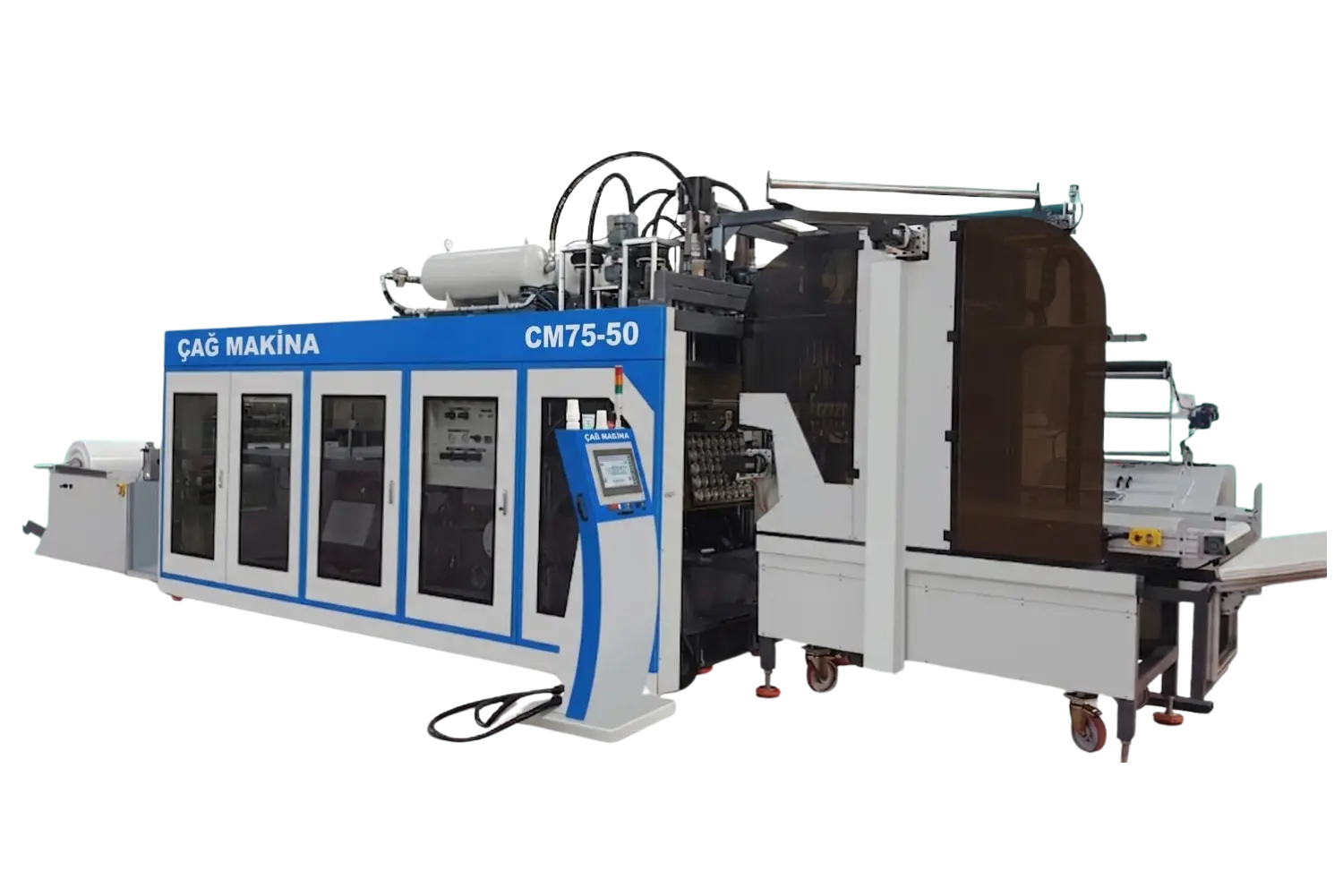
CM75-50 Series Thermoforming Machines are designed to meet medium-volume production needs. The maximum mold and forming area are optimally balanced with forming capability. The servo-motorized mold movement system and precision tilting mechanism offer repeatable quality and stable cycle opportunities in production. It can process PP and PS sheets up to a thickness of 0.2 – 1.2 mm and keeps production costs under control with high energy efficiency.
| Cag Machine Specifications | CM75-50 |
|---|---|
| Maximum Mold Area | 1000 x 520 mm |
| Maximum Forming Area | 750 x 500 mm |
| Maximum Capacity | 40 Cycles |
| Clamping Force | 500 kN |
| Maximum Positive Depth | 20 mm |
| Maximum Negative Depth | 180 mm |
| Raw Materials | PP, PET, PS, OPS, PLA, CPET, PVC |
| Total Energy Consumption | 60 - 70 kW |
| Total Installed Power | 270 kW |
| Pressure | 8 Bar |
| Heaters | Ceramix |
| Servo Motor | SEW |
| Lubrication | Lubrimac |
| Pneumatics | SMC |
| *Technical values are presented in table format; they may vary based on options. | |
Why is Thermoforming Machine Compatibility According to Raw Materials Important?
Key Features
- ✓ Mid-Segment Balance Model: Optimized structure for maximum forming capability and stable cycle performance.
- ✓ Precision Tilting Mechanism: Increases control in product discharge and end-of-line organization.
- ✓ Servo-Motorized Mold Movement: Ensures consistency in recipe recall and repeatable production quality.
- ✓ PP and PS Sheet Processing: Wide production flexibility for sheets between 0.2 – 1.2 mm thickness.
- ✓ Energy Efficiency: Cost control through optimized consumption and reduced downtime.
- ✓ Industry 4.0 PLC Control: Traceable production and reduced operator dependency.
Quick Summary: The CM75-50 series targets balanced capacity and controlled process management with larger forming capability.
CM75-50 Series Tilt Mold Thermoforming Machine
In Procurement, a thermoforming investment usually relies on a single question: "Will this line produce my target quantity stably?" The CM75-50 Series Tilt Mold Thermoforming Machine answers this through modern motion control components such as a precision tilting mechanism and a servo-motorized mold movement system that make the process flow more controlled. This content is designed for users arriving with data-driven search intent to clarify the "what to look for / how to compare" framework.
In short, this series maintains production continuity as a thermoforming machine, while aiming to bring the process control advantages of the tilt mold thermoforming machine architecture to the field.
Performance summary: The CM75-50 positions itself as a "balance model" thanks to its larger mold and forming area and increased forming capability; for those seeking a solution with more aggressive cycle targets in more compact jobs, a smaller model approach might offer different advantages.
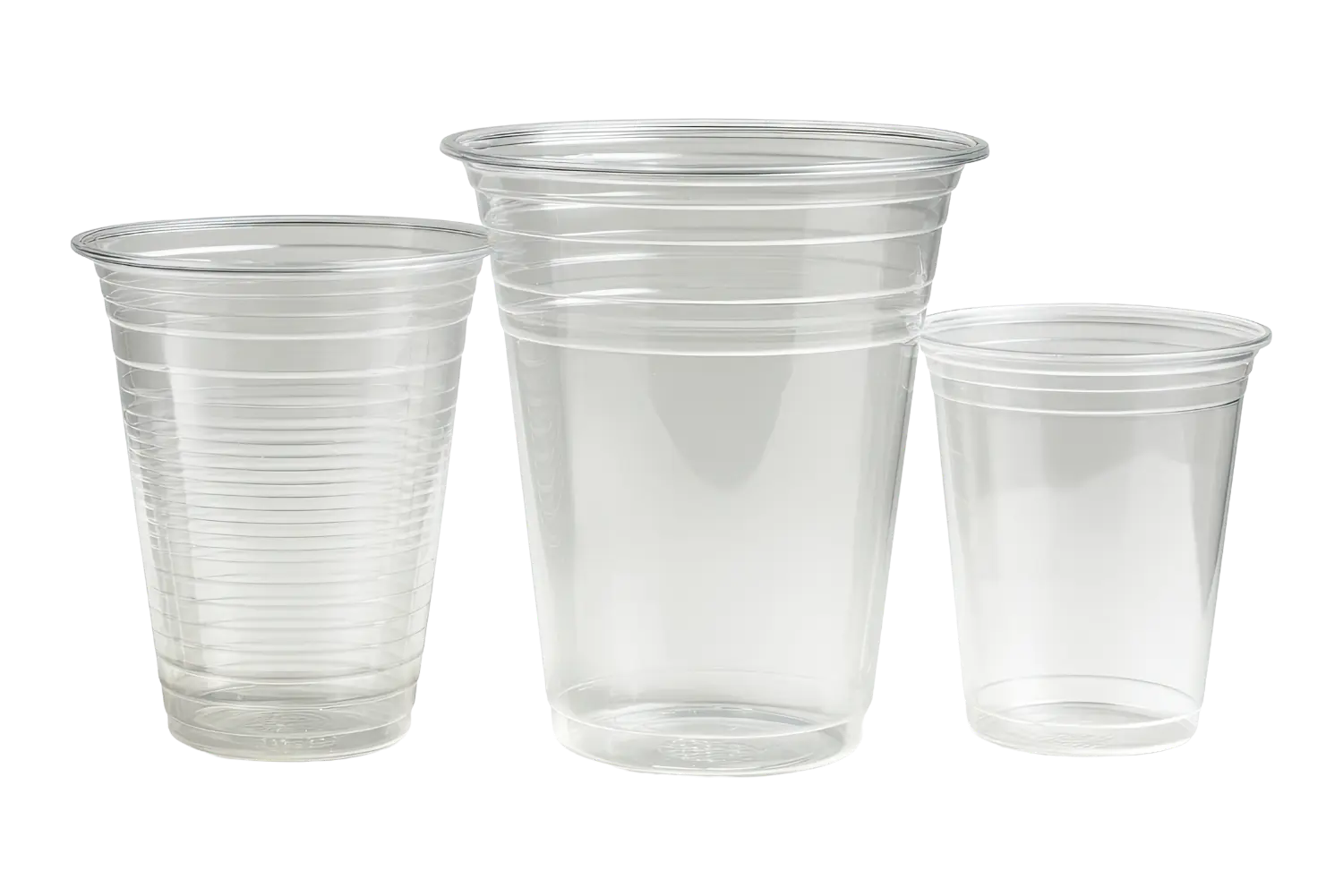
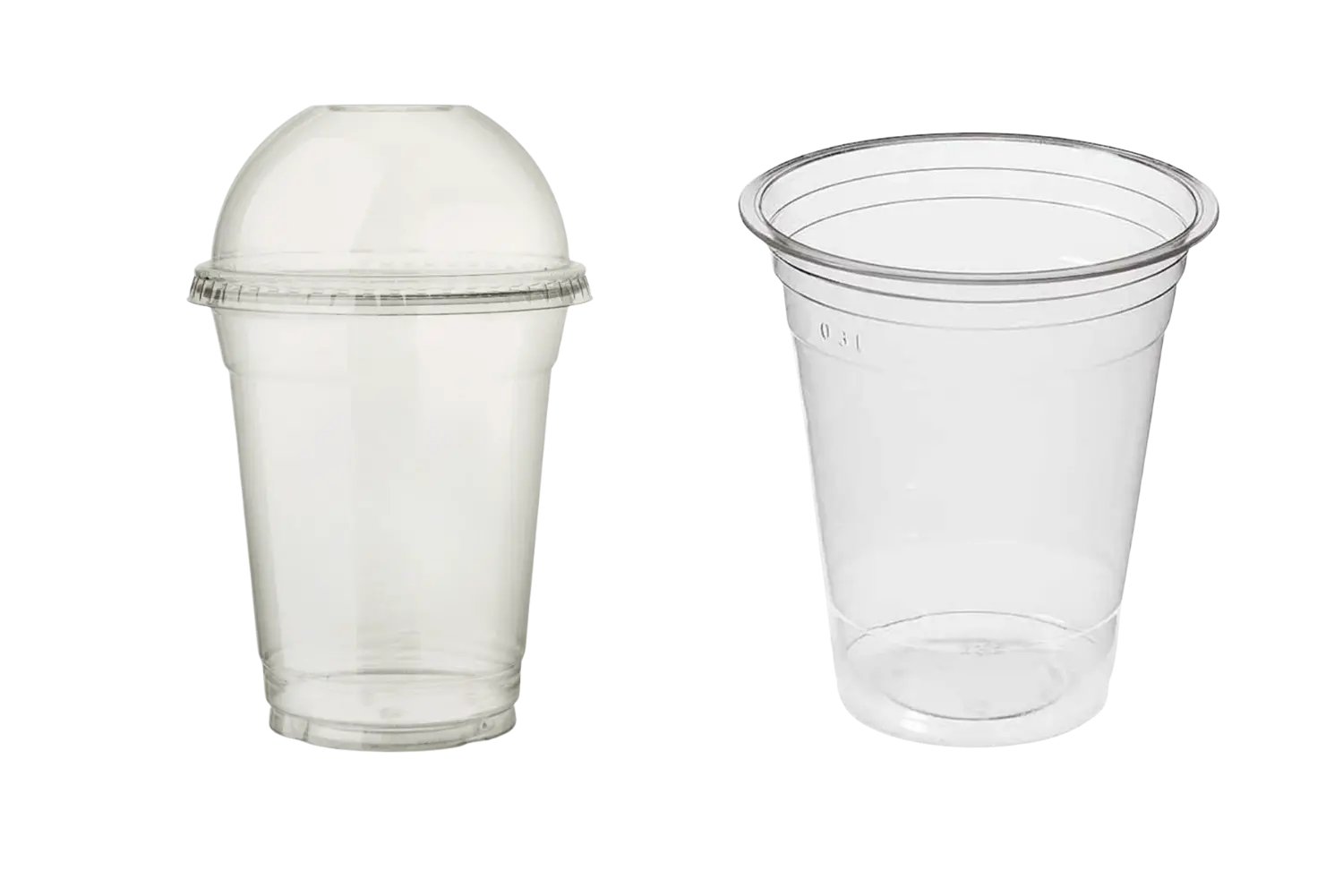
When searching for a High-Speed Plastic Cup Production Machine, the critical factor is not just speed, but maintaining that speed throughout the shift.
- Capacity Balancing high cycle targets with quality
- Waste Form consistency and end-of-line organization
- Energy Reading cycle speed and energy efficiency balance together
Although the CM75-50 offers a strong production character in terms of speed, the approach focuses on maintaining the dimension + forming capability + stability balance rather than the "most aggressive cycle."
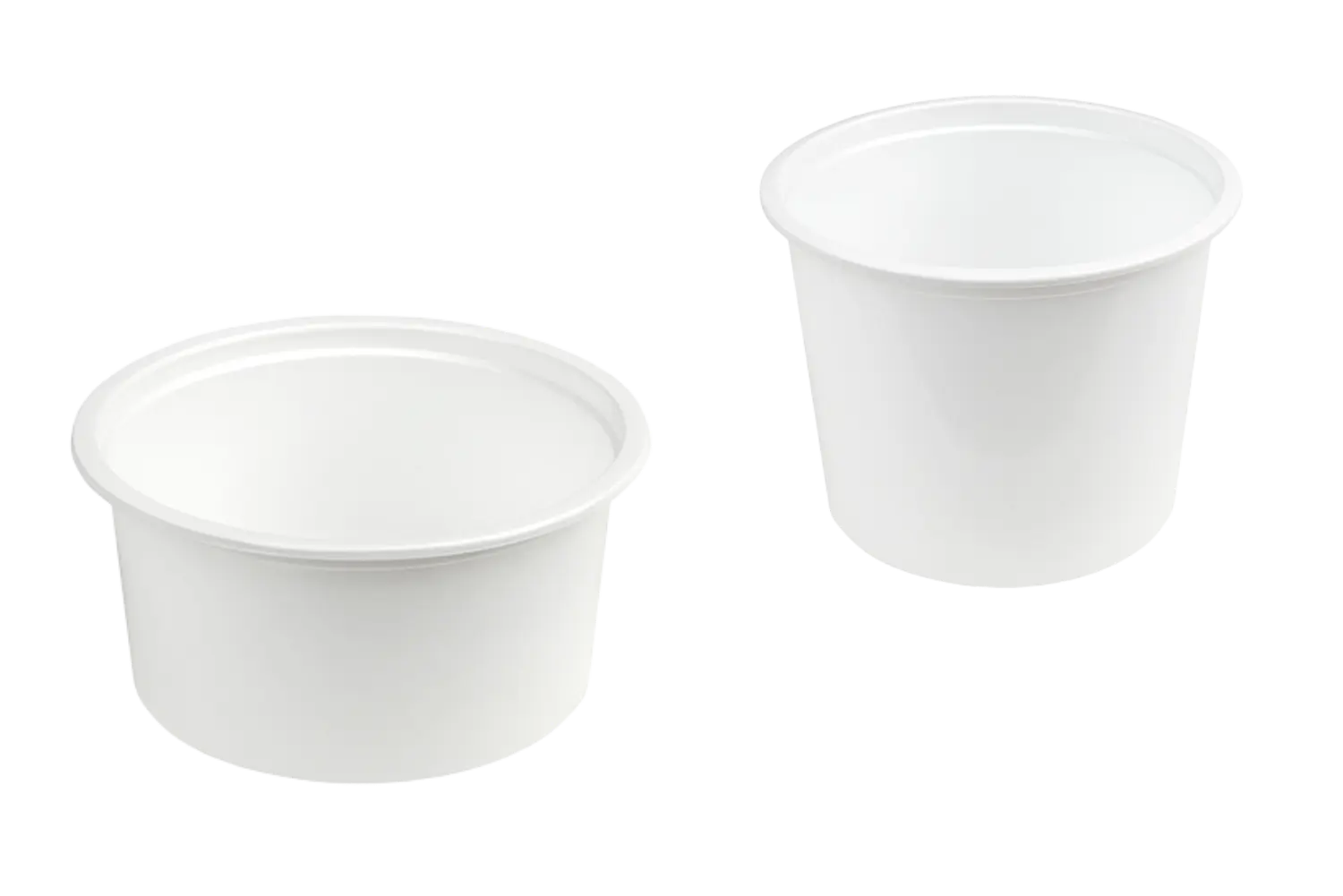
For products like Automatic Yogurt Container and Bowl Forming Lines, the expectation for "same rim, same form, same order" is even more visible.
- Area Wide product range with larger mold and forming area
- Clamping Force Stronger forming capability reaching 500 kN
- Depth Advantage in difficult geometries with increased depth capacity
Read More
What Advantage Does Tilt Mold Logic Provide in the CM75-50 Series?
What Advantage Does Tilt Mold Logic Provide in the CM75-50 Series?
The tilt mold approach contributes to production discipline by making the "position of the mold" more manageable within the process flow. In practice, this helps in designing more controlled product discharge and transport scenarios, maintaining form consistency, and reducing the risk of waste in specific product types. Therefore, when evaluating a series like CM75-50, not only speed but also forming capability and repeatable quality should be considered.
Which Materials and Products Yield Stronger Results?
The CM75-50 stands out especially for production scenarios planning PP and PS sheet processing, while requiring a larger mold area and stronger forming capability. The main determinant here is not just material compatibility; it is the management of product geometry, depth needs, target cycles, and process discipline together. CM75-50 yields stronger results in wider container and bowl products, cup production where form repetition is critical, and mass production scenarios where organized flow is expected at the end of the line.
Suitable Material and Production Scenarios
- Packaging production lines working with PP sheets
- Mass production setups using PS sheets
- Product families requiring a larger mold area
- Recipes demanding form depth and geometric discipline
Product Groups with Stronger Results
- Yogurt containers and similar food packaging
- Wider bowl and container variations
- Plastic cup types with high forming standards
- Mass production items requiring organized discharge
Technical Selection Guide for Procurement
What accelerates the Procurement decision is the ability to match technical parameters with "business results." The following guide gathers capacity, waste, energy, and service headings into a single framework, clarifying which questions should come first in a tilt mold thermoforming machine investment like the CM75-50.
| Control Heading | Why is it Important? | Key Question for Procurement |
|---|---|---|
| High Cycle Speed | Speed alone is not enough; stability throughout the shift is required. | Under what conditions does the cycle speed remain stable for my target product? |
| Precision Tilting Mechanism | Supports form and discharge order by making the process flow more controlled. | What does the tilting motion improve in terms of product discharge and line order? |
| Servo-Motorized Mold Movement | Provides advantages in motion control, repeatable quality, and recipe consistency. | At what point does servo motion control stabilize quality? |
| PP and PS Sheet Capacity | Recipe and heating profile are as disciplined as material compatibility. | What is the recommended process range and adjustment logic for PP and PS? |
| Energy Efficiency | Energy turns into total cost along with consumption, downtime, and waste. | In which production scenario is energy efficiency measured and reported? |
| Industry 4.0 and Traceability | Continuity increases as alarm and downtime reasons become visible for planned maintenance. | What data is captured for production traceability, and how is it reported? |
| PLC Control Unit | Consistency in recipe recall and reduction of operator dependency are vital. | What is the standard process for recipe and product changeover via PLC? |
| Service and Spare Parts | Downtime is the fastest-growing cost item in B2B. | What is the scope of on-site support and critical part availability? |
Brief Comparison with Other Thermoforming Machine Categories
The tilt mold structure can be a strong choice for businesses wanting to manage process flow, product discharge, and form discipline more controlably. However, not every production goal requires the same machine architecture. If cutting standards, station structure, and end-of-line setup create different priorities, choosing the category based on how the production flow will be managed rather than just the product name yields more accurate results.
In-Mold Cutting Thermoforming Machines
If cutting quality, dimensional repetition, and product edge standards are your priority, this category offers a better framework.
- Production scenarios focused on cutting standards
- Packaging requiring smooth edge quality
- Priority on dimensional repetition and tolerance discipline
Multi-Station Thermoforming Machines
If you want to scale station-based flow in high-volume production and manage the cycle more modularly, this category might be more suitable.
- High-volume mass production setups
- Station-based cycle discipline
- More scalable line structure
Just as important as the main machine selection is how the end-of-line flow is completed, as it directly affects total efficiency. Therefore, the Auxiliary Machines category supports the line's stability in terms of product transport, organization, counting, and packaging.
Frequently Asked Questions
For Which Products Does the CM75-50 Series Provide an Advantage? +
What is the Fundamental Difference Between the CM75-50 and Smaller Models? +
How Does the Tilting Mold Mechanism Affect Waste? +
Why is the Servo-Motorized Mold Movement System Important? +
What is the Most Critical Parameter in PP and PS Sheet Processing Capacity? +
How are High Cycle Speed and Energy Efficiency Evaluated Together? +
What Does Industry 4.0 and PLC Control Units Mean for Procurement? +
What Should I Look for in Warranty and Service During Procurement? +
Why is ISO and CE Compliance Critical in B2B Procurement? +
Blog
For Technical Support and Inquiries
For technical information requests, you can contact us through our communication channels.
- +90 533 1345807
- info@cagmakina.com
- Zafer Mahallesi 146. Sokak Oz Sefa Is Merkezi No:21/6 Esenyurt Istanbul, TURKEY